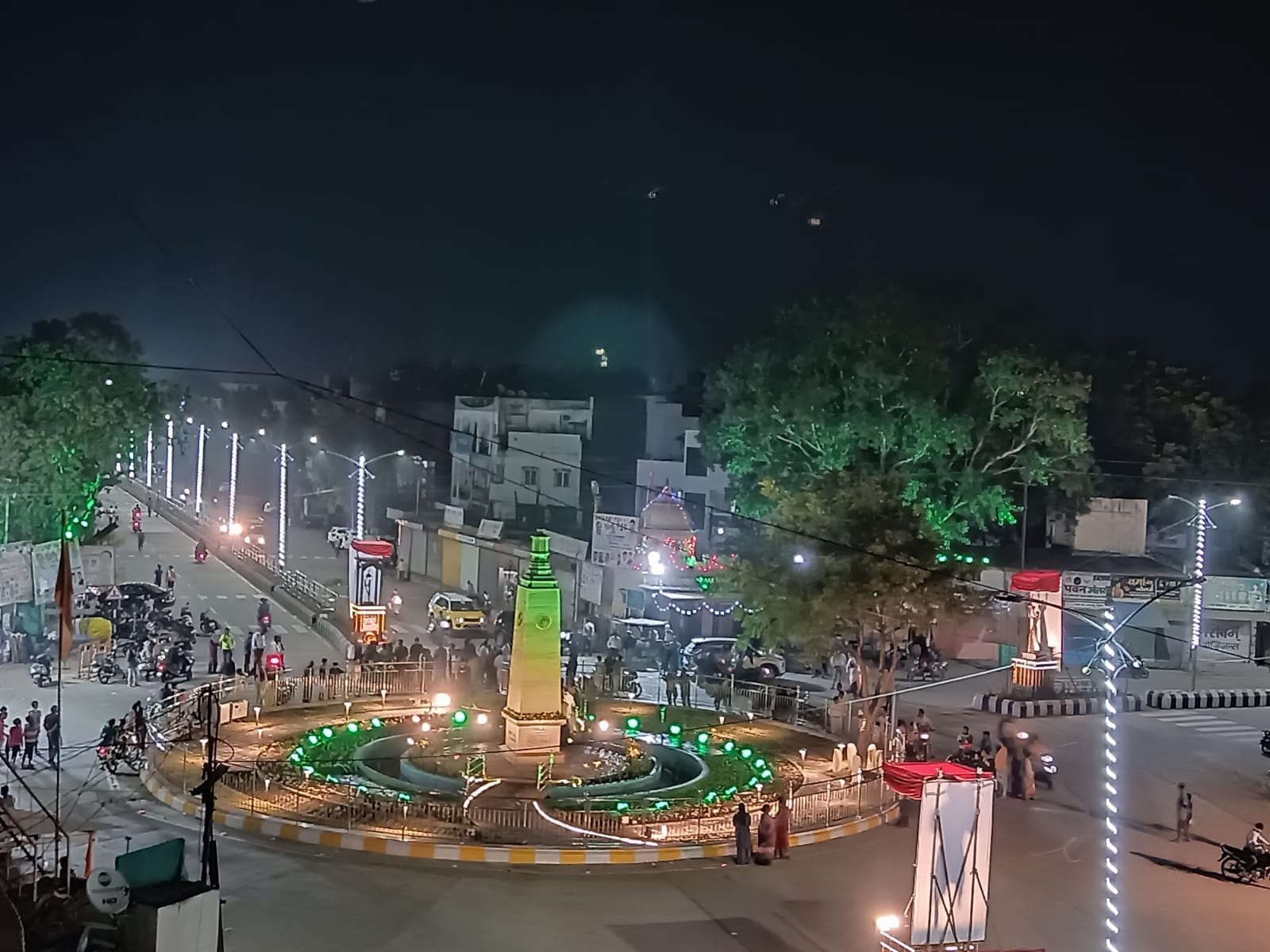
Garbage Free Cities.
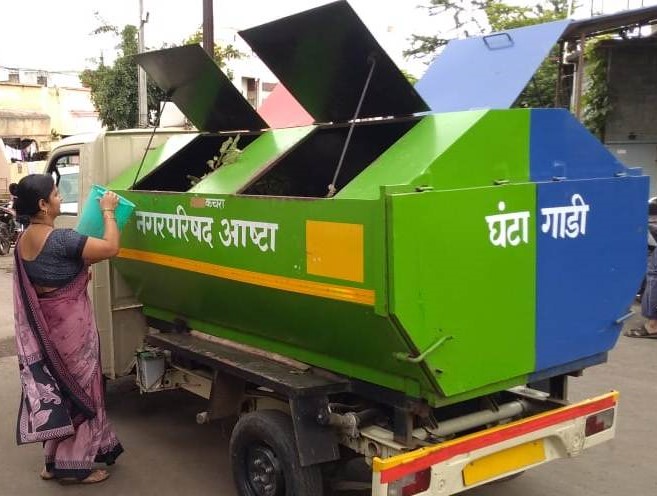
The aim of the Swachh Maharashtra Mission (Urban) 2.0 is to make all cities garbage free means 100% collection of waste from door to door, segregation, transportation to processing plants and scientific processing of the waste.
Classification of Wastes.
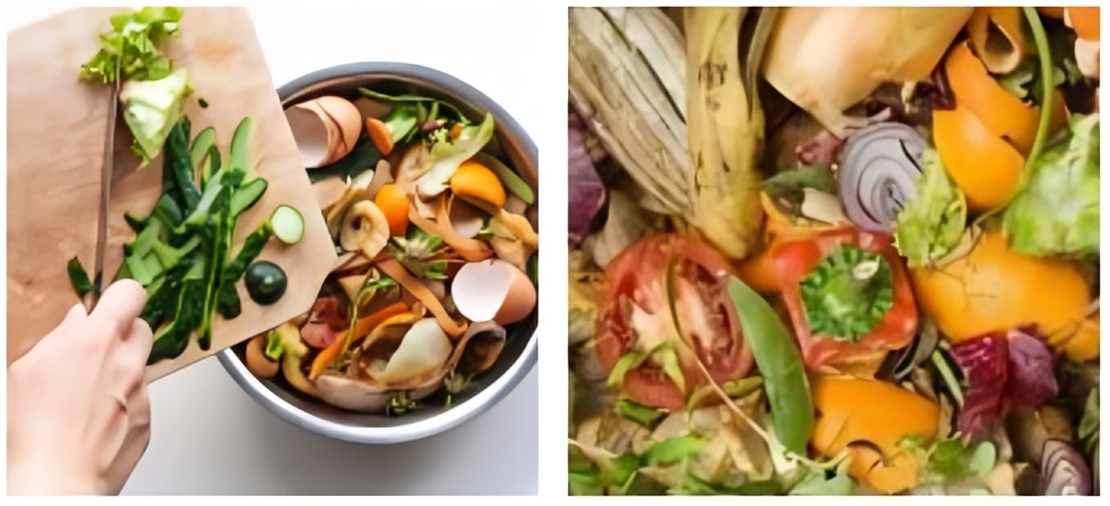
Wet Waste
Kitchen waste, vegetable and fruit peels, egg shells, leftover food, tea and coffee powder, non-vegetarian food, coconut husks, garlands, flowers, leaves, leaves, twigs, dried leaves, flowers, grass, spoilage Tissue paper and hair.
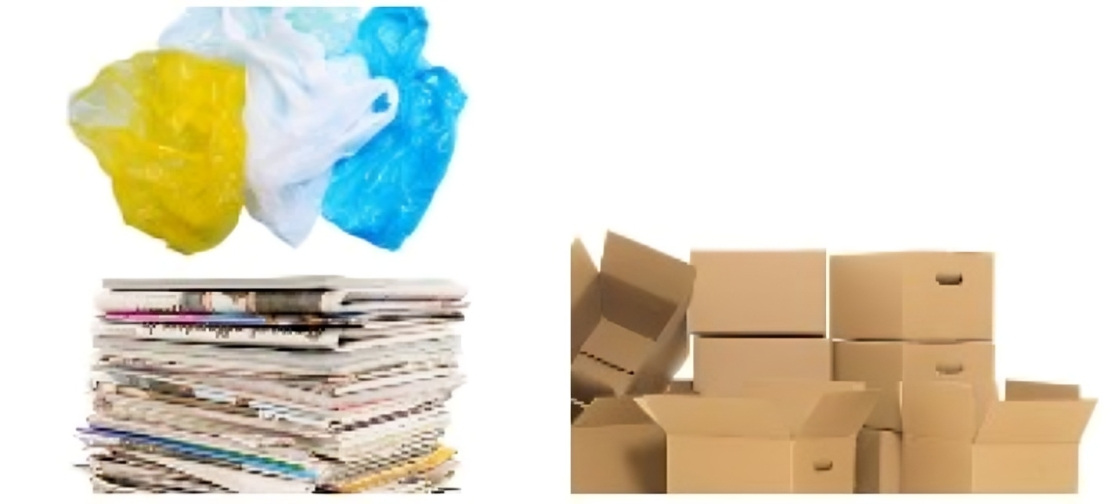
Dry Waste
Plastic items like bags, bottles, cans, plastic cups, milk bags, chocolates, toffees, chips wrappers, paper like newspapers, magazines, magazines, stationery, cardboard, paper boxes, tetrapacks, paper cups, plates, metal boxes, metal Containers, glass bottles, rubber, thermocol, old rags, rags, sponges, cosmetics, wood, porcelain etc.
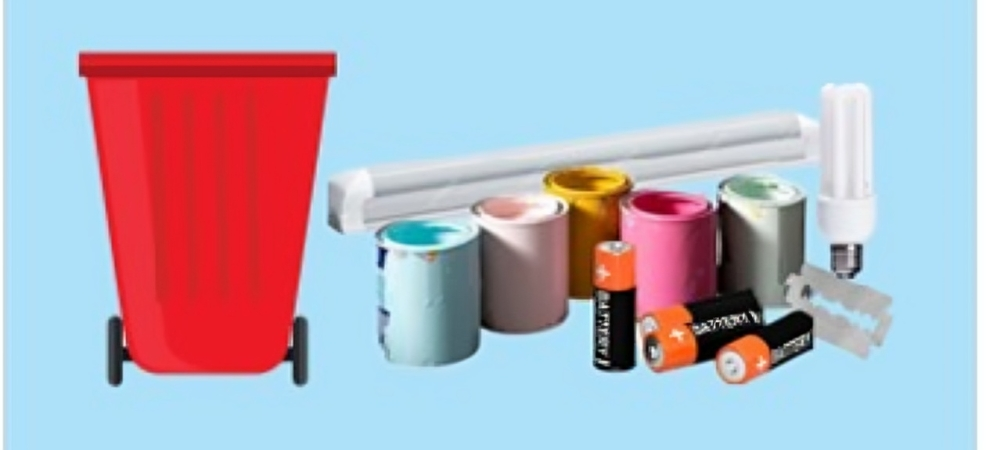
Hazardous Waste
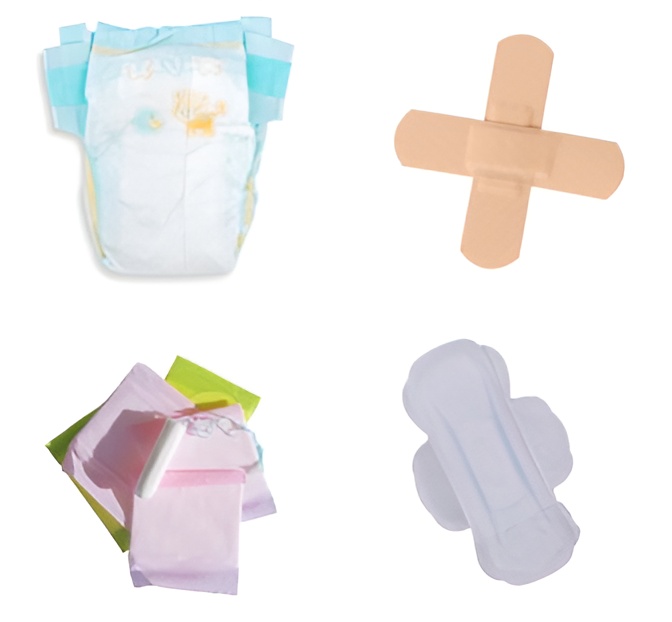
Diapers, sanitary napkins, plasters, condoms, expired medicines, (wrap in paper), insecticide cans, CFL and LAD bulbs, tube lights, used batteries, discarded paint/drums, sharp objects, razor blades, injections, medicine bottles etc.
Advantages of waste segregation :-
Segregation of waste into dry, wet, organic, recyclable and hazardous waste makes it easy to process and reduces burden on waste collection and processing agency.
Proper segregation of hazardous waste protects waste handlers and the public from exposure to harmful substances. Safe disposal of waste is ensured and risk of environmental contamination is reduced.
Domestic Hazardous Waste.
Domestic hazardous waste (DHW) can pose a threat to our health and the environment. Batteries, electronic waste (e-waste), paints, chemicals, pesticides, expired medicines, lamps.
If this waste is mixed with solid waste (MSW), many problems can arise. Hazardous chemicals can leach into soil and water, contaminating natural resources and posing a threat to public health. During waste processing or disposal, these hazardous substances can cause fires, explosions or toxic emissions, endangering workers and surrounding communities.
Therefore, hazardous materials need to be segregated from regular waste.
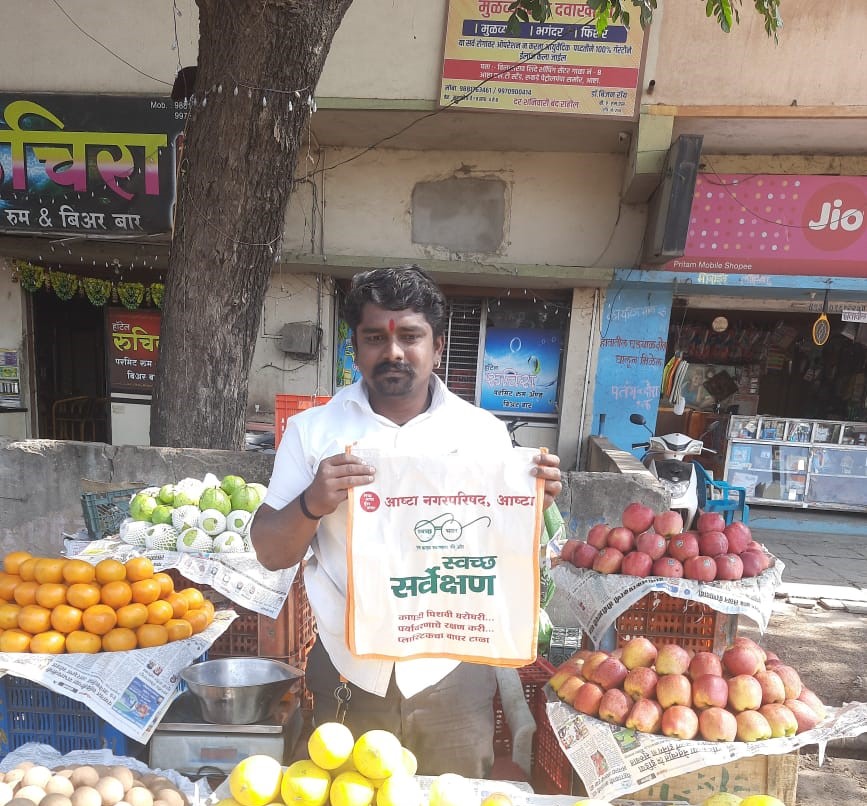
Avoid using Plastic Bags, Encouraged to use a Cloth Bag.
It is also our responsibility to keep our city neat and clean.